
Kenya Unveils Sustainable Agricultural Financing Policy to Boost Food Security
Sustainable agricultural financing in Kenya is set to transform the country’s agriculture sector after the government announced plans to establish a comprehensive policy framework aimed at reducing reliance on donor funding. The new approach seeks to mobilize domestic resources, attract private investment and build resilient agrifood systems that improve food security and farmers’ access to affordable financing. Sustainable agricultural financing in Kenya is expected to strengthen agricultural productivity, create employment and support long-term economic growth.
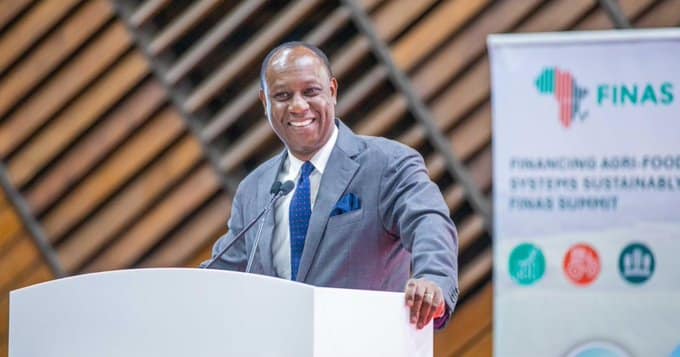
The commitment was announced during the Financing Agrifood Systems Sustainably (FINAS) Summit in Nairobi, where government officials, financial institutions, development partners, investors and agricultural stakeholders endorsed a new financing model inspired by the African Union’s Comprehensive Africa Agriculture Development Programme (CAADP). Learn more about the CAADP framework through AUDA-NEPAD.
Agriculture and Livestock Development Cabinet Secretary Mutahi Kagwe said Kenya will continue working with county governments, investors and other stakeholders to strengthen agrifood systems. More information is available from the Ministry of Agriculture and Livestock Development.
Sustainable Agricultural Financing in Kenya to Boost Food Security
Held under the theme “Towards Sustainable Financial Architecture for Africa’s Agrifood Systems,” the summit emphasized that Africa’s food systems should move away from fragmented donor-funded projects and embrace coordinated financing that combines public investment, private capital, development finance and innovative risk-sharing mechanisms supported by strong policy and institutional frameworks.

Agriculture and Livestock Development Cabinet Secretary Mutahi Kagwe
Agriculture and Livestock Development Cabinet Secretary Mutahi Kagwe said Kenya will continue working closely with county governments, financial institutions, investors, researchers, cooperatives, agribusinesses and farmers to develop resilient, inclusive and competitive agrifood systems. He noted that the new financing framework will strengthen food security, generate employment opportunities, stimulate economic growth and secure long-term prosperity.
Sustainable Agricultural Financing in Kenya Attracts Private Investment
Cooperatives, Micro, Small and Medium Enterprises Cabinet Secretary Wycliffe Oparanya called for financing models that reflect the realities facing farmers while ensuring financial risks are shared fairly. He emphasized the need to strengthen cooperatives, improve productivity and channel more domestic savings into agricultural investments.
Oparanya explained that government will provide policy direction, financial institutions will mobilize investment capital, development partners will provide catalytic support, researchers will generate evidence, cooperatives will organize farmers, MSMEs will create value and the private sector will drive innovation and investment.
He also urged farmers and borrowers to maintain financial discipline by keeping proper financial records, using loans responsibly and meeting repayment obligations.
According to Oparanya, the success of FINAS 2026 will be measured by increased access to affordable credit, stronger cooperatives, growth in youth-led agribusinesses, improved productivity among women farmers and expanded employment opportunities throughout agricultural value chains.
How Sustainable Agricultural Financing in Kenya Will Benefit Farmers
FSD Kenya Chief Executive Officer Rashmi Pillai highlighted the financial challenges facing smallholder farmers, particularly those affected by climate change. She observed that many farmers already depend on informal financing through SACCOs, community savings groups, input suppliers and diaspora remittances. She urged the formal financial sector to develop products that complement these existing systems and better serve farmers.
Youth entrepreneur Javin Kipruto Hutchingson, Chief Executive Officer of Bake Easy Products EA Ltd and a beneficiary of the Sustainable Urban Economic Development (SUED) programme, said improved access to financing enables entrepreneurs to strengthen food systems while creating sustainable businesses that improve nutrition and generate employment for young people.
Judith Mulwa, Environment and Climate Adviser at the United Nations Resident Coordinator’s Office, advocated for blended financing models that combine grants with private investment. She said organized cooperatives reduce lending risks and make it easier for farmers to access affordable credit while improving market access through reliable buyers.
Mulwa emphasized that every agricultural investment should prioritize improving farmers’ livelihoods and reducing production risks instead of transferring financial burdens to producers. She added that financing models should promote inclusion, particularly for women, youth and other vulnerable groups.
Murang’a County Showcases Agricultural Financing Success
Murang’a Governor Irungu Kang’ata presented the county’s digital agricultural financing initiatives, including electronic subsidy wallets that enable farmers to purchase farm inputs more efficiently. He said automated systems linking farmers directly to manufacturers and buyers have improved market access while reducing production costs.
The county has also secured supply agreements between sorghum farmers and East African Breweries, expanded the use of certified maize seed and fertilizer, and increased soil testing programmes to improve coffee production.
Kang’ata further revealed that Murang’a County is collaborating with the French Embassy, Equity Bank, the Senate and the National Assembly to support legislation recognizing Geographical Indications (GI) as intellectual property. He said protecting products such as Murang’a tea would increase their market value and improve farmers’ incomes.
FINAS Summit Highlights Kenya’s Agricultural Investment Opportunities
The FINAS Summit concluded with benchmarking and investment tours to Konza Technopolis, Tatu Industrial City and the Dongo Kundu Special Economic Zone, where delegates explored innovations supporting agrifood systems, value addition and agricultural investment.
The implementation of sustainable agricultural financing in Kenya will rely on strong collaboration between government, financial institutions, development partners, cooperatives and private investors. Stakeholders believe the new policy framework will create a more resilient agricultural sector capable of delivering food security, sustainable livelihoods and inclusive economic growth.
