
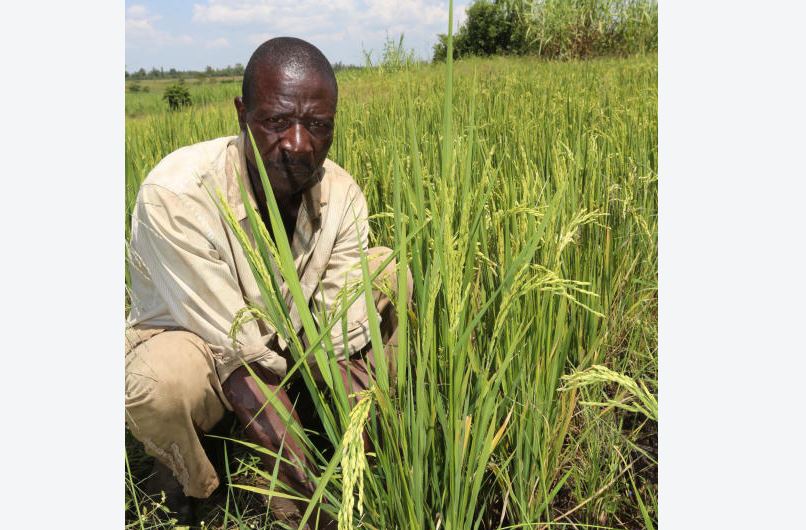
Farmers, including those in Wajir, are staring at a challenging future as Parliament debates a series of proposed agricultural laws that could complicate farming and increase production costs.
One of the most debated proposals is the Livestock Bill, which would require all livestock to be registered and identified with detailed information. Many farmers worry this will add to their financial burden, making an already difficult situation even harder.
Rising Costs and Bureaucracy
The proposed Bills threaten to raise food production costs, affecting millions of small-scale farmers who are already battling high input costs and unpredictable weather patterns.
Under the Livestock Bill, breeders would need licenses, and anyone tampering with animal identification could face hefty fines or imprisonment. Identification methods like ear tags, tattoos, and electronic devices would be required depending on the purpose of the livestock—whether for local markets or export.
“We need to involve the public before pushing this Bill forward,” said Kikuyu MP Kimani Ichung’wah, who sponsored the proposal. He postponed the first reading in August to allow for more consultations and ensure farmers fully understand the implications.
Farming Inputs Under Scrutiny
The Agricultural Professionals Registration and Licensing Bill is also drawing criticism. It proposes that sellers of farming inputs like fertilizers and animal feeds must have at least a diploma or degree in agriculture.
While Tigania West MP John Mutunga, the Bill’s sponsor, argues this is necessary to ensure quality, farmers worry these qualifications could push up input prices, making agriculture even less affordable.
“We need to professionalize the sector,” Mutunga said. But stakeholders fear that this, coupled with additional bureaucracy, could hurt small-scale farmers who rely on affordable inputs.
Water Access Under Threat
The Water Amendment Bill has sparked heated opposition, especially among farmers dependent on affordable water for irrigation. By allowing private-public partnerships to manage water resources, including dams, critics believe the Bill would put small-scale farmers at the mercy of private investors.
“Water privatization could kill small-scale farming,” warned Mary Kathomi of Kilimo Cha Haki. The group is advocating for amendments to safeguard farmers’ access to water.
Impact on Food Security
The region is just beginning to recover from prolonged drought, with improved rains earlier in the year helping reduce the number of food-insecure citizens. However, these proposed laws risk undoing those gains by imposing additional costs and regulations on farmers.
Kilimo Cha Haki has raised concerns that the Bills violate farmers’ rights and could destabilize the agricultural sector, pushing millions deeper into hunger.
“Farmers are already struggling. These Bills could devastate the agricultural sector and hurt ordinary people who depend on affordable food,” the group said in a statement.
As debate around the Bills continues, there is a growing call for a pause to allow for proper consultation. Many stakeholders feel that the future of agriculture should be shaped by those who depend on it the most: the farmers.
